Leaders Opinion
Innovations in Last-Mile Delivery and Urban Logistics: How Technology and Integration Are Transforming the Final Mile

Sachin Bajaj
AkzoNobel,
Senior Supply Chain Design & Analytics Leader
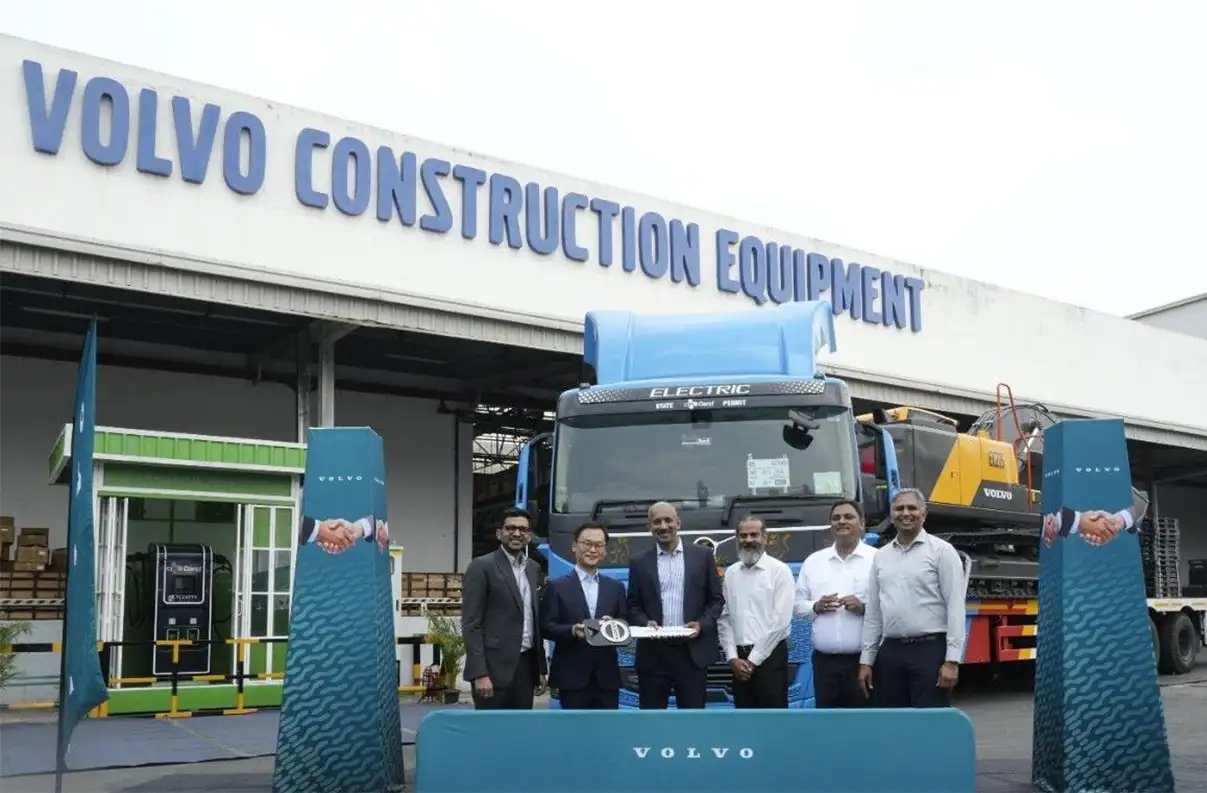
In today’s hyper-connected, customer-centric world, logistics and distribution are no longer just back-end support functions, they are strategic enablers that shape consumer experience, brand reputation, and competitive advantage. As supply chains become more integrated and demand more agile, last-mile delivery and urban logistics are undergoing a major transformation. Traditionally, tracking goods across the supply chain was a black box. The evolution of Transport Management Systems (TMS) and other digital platforms has brought about a paradigm shift enabling real-time visibility, dynamic routing, and faster decision-making. Modern logistics operations are now powered by data, and every mile from supplier to customer is connected. At the same time, 3PL and 4PL providers have significantly expanded their role. No longer limited to freight execution, they now offer end-to-end services: integrating planning, inventory control, network optimization, and IT infrastructure. Logistics has evolved to include inbound and outbound flows, storage, value-added services, returns processing, and even cash handling in emerging markets. The Strategic Importance of the Last Mile The last mile, the final delivery leg to the end customer has emerged as both a challenge and an opportunity. It represents up to 50–60% of total logistics costs and plays a pivotal role in shaping the customer experience. Urban congestion, narrow delivery windows, and the need for sustainable operations have pushed organizations to rethink traditional models. In response, the industry is seeing a surge in innovation, with technology acting as the key enabler. Emerging Trends in Last-Mile and Urban Logistics Electrification and Micro-Mobility Companies are deploying electric vans, cargo bikes, and micro-vehicles to navigate dense
The only supply chain registration you need
Unrivaled context behind every news and article for free.
RegisterJoin the community of 150,000+ industry professionals
Subscribe to our Daily Newsletter
Subscribe For FreeBy continuing you agree to our Privacy Policy & Terms & Conditions
Latest